Bihar · East
Mundeshwari Devi Temple
Maa Mundeshwari Temple
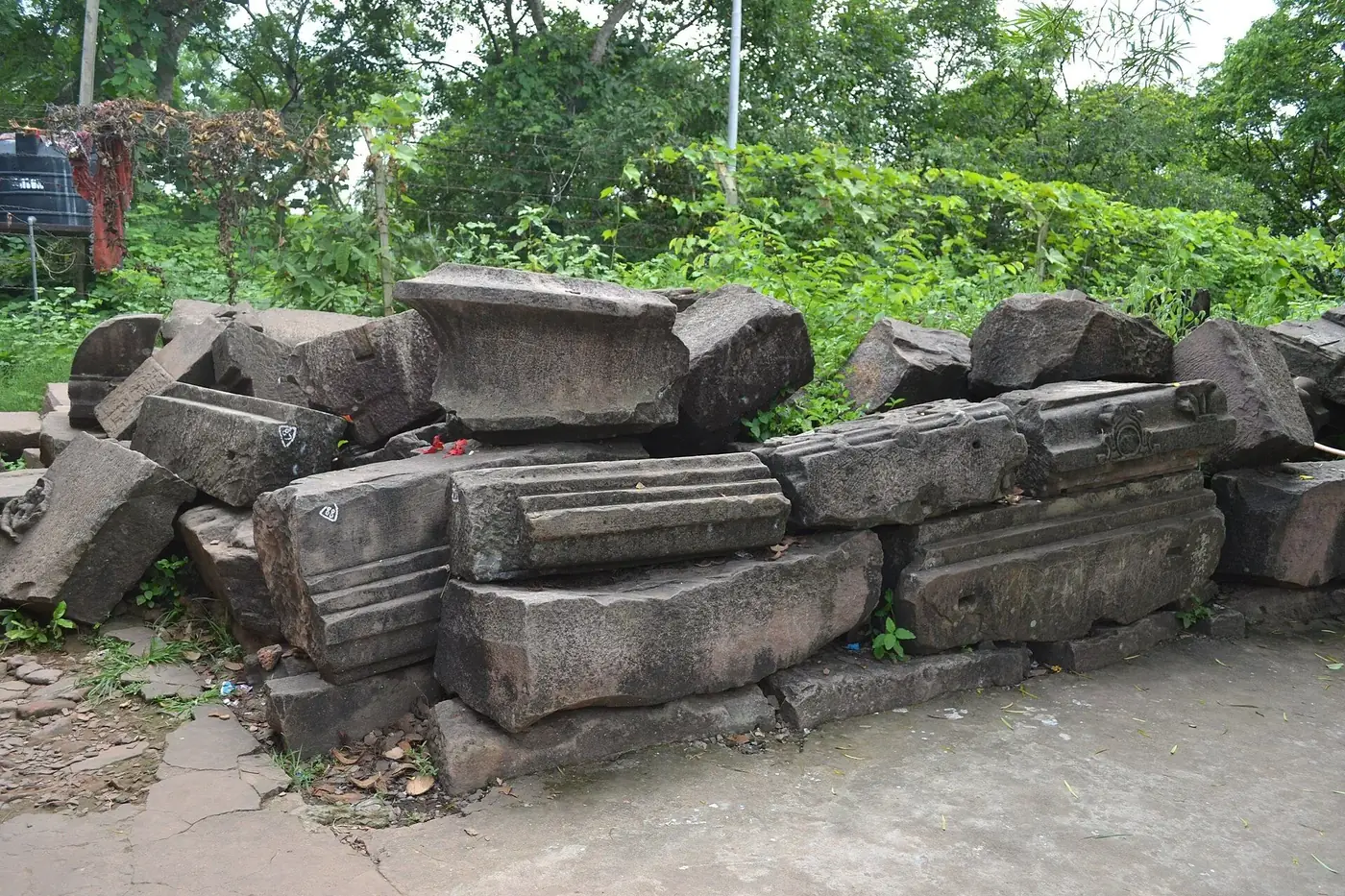
A foundation inscription dates the Mundeshwari Devi Temple to 635-636 CE, making it, by epigraphic evidence, one of the oldest continuously functioning Hindu temples in India, predating the classical Nagara and Kalinga idioms that later dominated northern and eastern temple building. Its octagonal sanctum plan is highly unusual, and it uniquely houses both a goddess image and a rare chaumukha, four-faced, Shiva lingam within the same small shrine, suggesting an early syncretic Shakta-Shaiva cult. Perched atop Mundeshwari Hill in the Kaimur range, the temple's weathered stone carvings and simple massing offer a striking contrast to the ornate later temples of the region. Of primarily archaeological and historical interest, it rewards travellers curious about the earliest layers of Indian temple architecture.
Art & Architecture
- Octagonal sanctum plan, an unusual and rare ground form in Indian temple architecture
- Dated foundation inscription of 635-636 CE, making it one of the oldest datable Hindu shrines still in worship
- Chaumukha (four-faced) Shiva lingam sharing the sanctum with the goddess image
- Hilltop setting on Mundeshwari Hill above the Kaimur range with surviving ancient stone carvings
Best Season
Festivals
Navratri · Maha Shivaratri
Journeys Featuring This Temple
Planning your visit
Nearby
Guesthouses and dharamshalas near the temple often take walk-ins. Confirm a single-occupancy rate when you call.
- Hotel Maa Mundeshwari International5.5 km
From Overture Maps — not verified by us (2026-08-04)
- Hotel Mundeswari International7.1 km
From Overture Maps — not verified by us (2026-08-04)
- Hotel Sivoy7.2 km
From Overture Maps — not verified by us (2026-08-04)
- Hotel Kohinoor7.4 km
From Overture Maps — not verified by us (2026-08-04)
- होटल श्री हरि 8.1 km
From Overture Maps — not verified by us (2026-08-04)
- Sanjay vatika8.7 km
From Overture Maps — not verified by us (2026-08-04)
Listings drawn from third-party maps are not verified by us and may be out of date. Please confirm directly before you travel.
Sources